
Explore Australian universities, VET providers and pathway programs with practical guidance on courses, entry requirements, English requirements, tuition fees, intakes, study locations and student visa considerations.
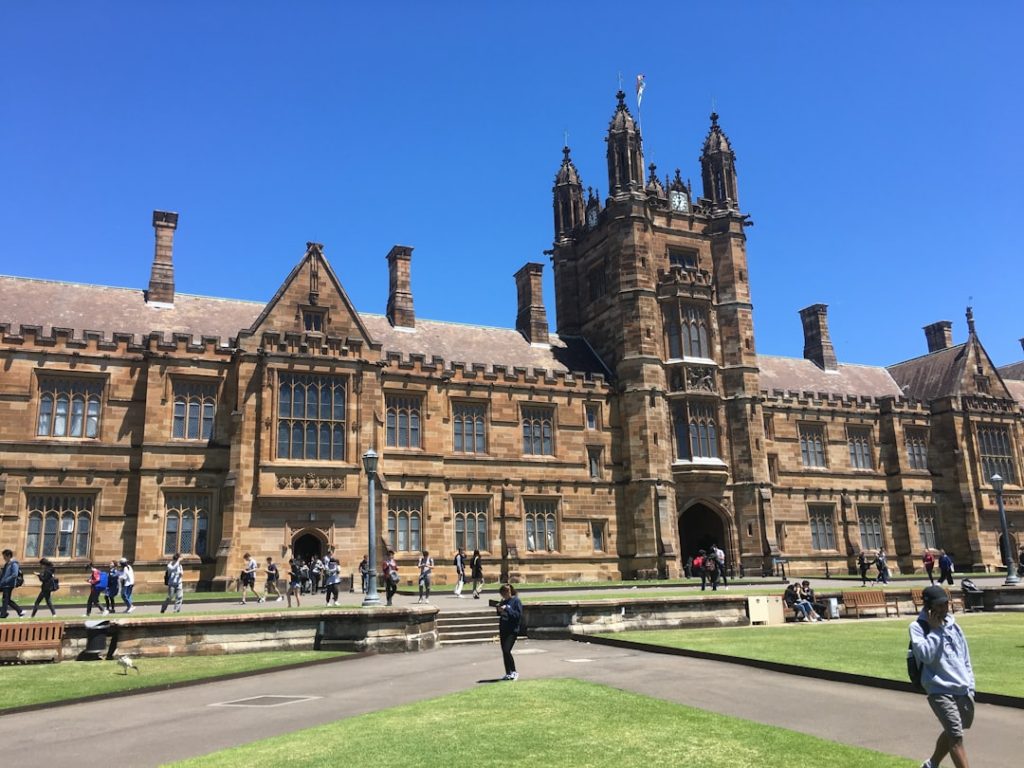
Photo: Ethan Shi / Unsplash
Australia offers a broad range of higher education and vocational study options for international students.

Photo: Fidel Fernando / Unsplash
Choose from universities, TAFEs and other registered education providers offering undergraduate, postgraduate and vocational programs.
Compare bachelor degrees, masters, graduate diplomas, certificates, diplomas and pathway programs based on your background and goals.
Understand academic and English requirements, tuition fees, intakes, locations and student visa considerations before applying.
Choose a pathway that matches your academic history, budget, interests and future plans.
Explore undergraduate and postgraduate degrees across business, IT, engineering, health, education and other disciplines.
Consider certificate, diploma and advanced diploma courses for practical and career-focused study options.
Foundation, English, diploma and graduate pathways may provide structured progression into further study where appropriate.
Study areas commonly considered by international students include:
When comparing courses, look at your academic background, English proficiency, course duration, tuition fees, intake dates, study location, career relevance, future study options and student visa requirements. Course availability and requirements can vary between providers.
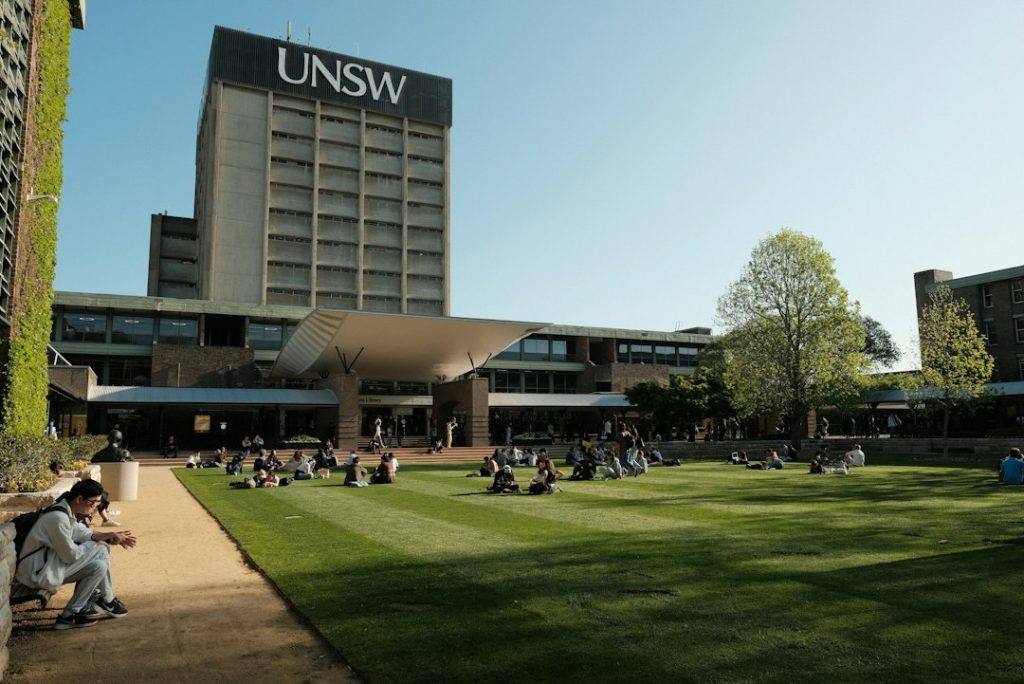
Photo: Dominic Kurniawan Suryaputra / Unsplash
Entry requirements depend on the provider and course. They may include academic qualifications, English language evidence, prerequisite subjects, work experience or portfolio requirements. Always check the current requirements for the specific institution and course before applying.
Tuition fees vary by provider, qualification and study area. Living costs also depend on the city and your lifestyle. Build a budget that considers tuition, accommodation, transport, health insurance, food and other study-related expenses.
Many courses have major intakes early in the year, with additional intakes offered by some institutions in the middle or later parts of the year. Intake availability is course-specific, so check the current provider timetable before planning your application.
International students generally need the appropriate visa to study in Australia. Visa requirements, financial evidence, English evidence, health insurance, work conditions and other criteria can change, so applicants should check the current Department of Home Affairs requirements that apply at the time of application.
Explore course options and compare providers before you apply.