Trades & Construction Courses in Australia

Explore practical construction, building and trade qualifications in Australia, including certificates, diplomas and construction-related bachelor degrees. Many VET programs include practical training and may have additional equipment or materials costs.

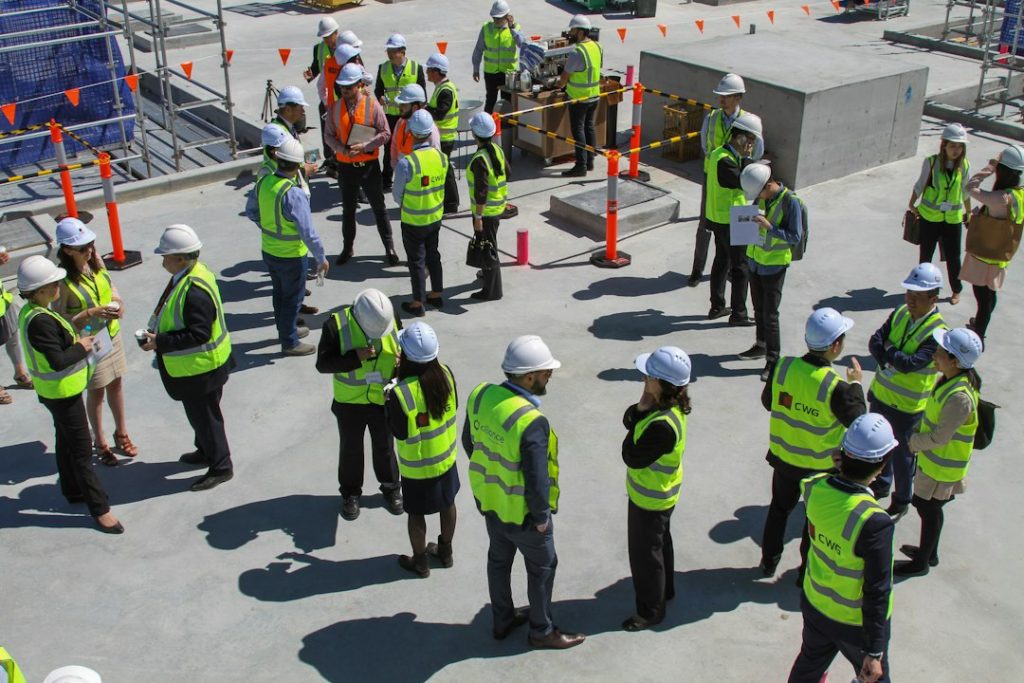
Construction workers in a training environment

Bachelor, Diploma & Certificate Courses

Bachelor

  • Bachelor of Construction Management
  • Bachelor of Building
  • Bachelor of Construction Management (Honours)

Master

  • Master-level construction, project management and built-environment programs where offered

Diploma

  • Diploma of Building and Construction (Building)
  • Diploma of Building and Construction (Management)
  • Diploma of Civil Construction

Certificate

  • Certificate III in Carpentry
  • Certificate III in Bricklaying and Blocklaying
  • Certificate III in Wall and Floor Tiling
  • Certificate III in Plumbing
  • Certificate IV in Building and Construction
  • Certificate IV in Work Health and Safety

Approximate International Tuition Fees

Trade certificates often range around AUD 10,000–20,000 per year; diplomas commonly around AUD 12,000–25,000 per year; construction and building bachelor degrees commonly around AUD 25,000–45,000 per year. Tools, PPE, materials, uniforms and practical costs may be additional.

Frequently Asked Questions

Can international students study trades in Australia?

Yes. Many CRICOS-registered VET providers offer trade and construction qualifications to eligible international students.

Do trade courses include practical training?

Many qualifications include practical or workplace-based components. The delivery model depends on the course.

Can a diploma lead to a bachelor degree?

Some institutions provide pathway or credit arrangements, but recognition depends on the receiving institution.

Are tools and equipment included?

Not always. Students may need to budget separately for tools, PPE, materials and uniforms.

Important: Trade and construction course completion does not itself guarantee licensing, employment or migration outcomes. Check current licensing and provider requirements.